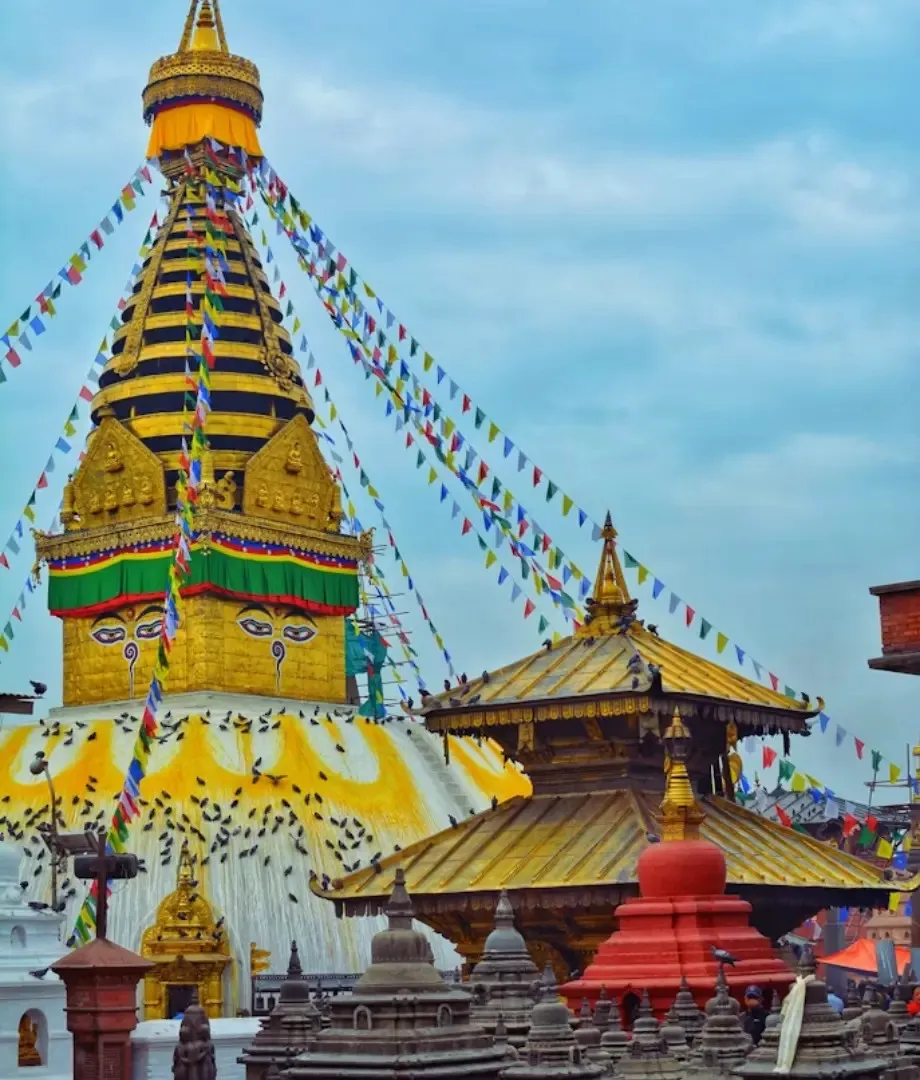

Discover the ideal season to explore Nepal with a complete guide to weather, major festivals, and budget-friendly travel tips for Bangladeshi travellers
Imagine this: you're scrolling through Instagram at midnight, and someone's photo of the Himalayas at sunrise stops you cold. The mountains, the prayer flags, the clear blue sky. And you think to yourself, "I need to go there." Sound familiar?
Nepal has that effect on people. And if you're from Bangladesh, you're actually in luck. Nepal is one of the most accessible international destinations from Dhaka. It's a short flight away, no visa hassles beforehand, and the costs are very manageable. But here's the thing: when you go matters just as much as where you go.
By the end of this guide, you'll know exactly when to book those tickets.
Nepal's Four Seasons at a Glance
Each season in Nepal has different inviting elements for Bangladeshi travellers. Now we’ll briefly discuss these special things that each season can offer, so you can make an informed decision about when you should pack you back and get there.
Spring (March to May): Blooms and Blue Skies
Spring is one of the two peak seasons in Nepal, and for good reason. The weather is warm and pleasant, the skies are mostly clear, and the famous rhododendron forests bloom into stunning shades of red and pink across the hillsides.
-
Weather: Warm days, mild nights, occasional afternoon clouds
-
Best for: Trekking, photography, cultural tours
-
Crowd level: High (peak season)
-
Festival highlight: Holi in March is enormously popular, especially among younger Bangladeshi travellers
March and April are particularly well-suited for Bangladeshi travellers because they overlap with school and college breaks. If you've been putting off the Annapurna Circuit, spring is your sign.
Summer and Monsoon (June to August): Green but Challenging
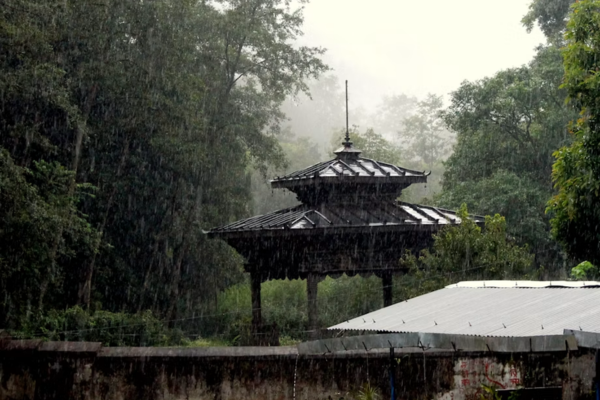
Let's be honest: the monsoon season is not Nepal's most popular time to visit. Heavy rainfall, slippery trekking trails, and the occasional landslide make travel tricky, especially in the mountains. But if you are a trekking guy who loves to enjoy the freshness in the mountains, you can get there with necessary preparations in advance.
-
Weather: Hot and humid in the valleys, heavy rain at higher altitudes
-
Best for: Budget travellers, green landscape photography
-
Crowd level: Very low
-
Hidden gem: The Mustang region lies in a rain shadow and stays dry even during the monsoon, making it a brilliant alternative for those still wanting an adventure
The upside? Prices drop significantly and you'll practically have popular sites to yourself. For Bangladeshi travellers already familiar with their own monsoon season, this may feel more manageable than you'd expect. Just pack waterproofs and plan wisely.
Autumn (September to November): The Golden Window
Ask any seasoned traveller when to visit Nepal, and most will say October without hesitation. Autumn is Nepal's prime season for a reason. In this time you’ll find the sky clean, comfortable temperature, and Nepal’s magical festivals you’ll love to celebrate together. Even though sometimes you’ll find the ticket prices are high, it’s worth visiting this time to enjoy the golden moment in Nepal.
-
Weather: Crystal-clear skies, stable temperatures, the best mountain views of the year
-
Best for: Trekking, festivals, sightseeing, first-time visitors
-
Crowd level: Peak (the busiest months of the year)
-
Festival highlights: Dashain and Tihar both fall in this window, adding a magical festive atmosphere to every corner of the country
For Bangladeshi travellers, October is particularly ideal because it follows Durga Puja, when many people have extra leave to spare. Flights fill up quickly during this period, so booking well in advance is essential.
Winter (December to February): Cold but Charming
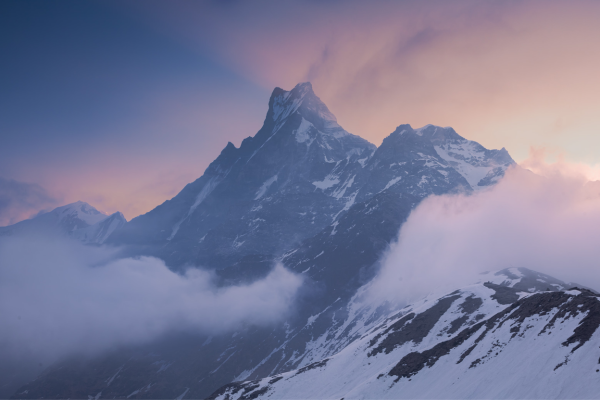
Winter in Nepal gets a somewhat unfair reputation. Yes, high-altitude treks can become icy and dangerous, but the Kathmandu Valley and Pokhara remain perfectly pleasant in the cooler months. The daytime temperature remains 19°C to 22°C in this season. At night, it can decrease nearly around 2°C. So, keeping warm clothes will be a lifesaver if you want to go to Nepal in winter.
-
Weather: Cold mornings and evenings, mild and sunny afternoons at lower altitudes
-
Best for: Cultural tourism, budget travel, off-season hotel deals
-
Crowd level: Low to moderate
-
Festival highlight: Maghe Sankranti in January is a local winter celebration well worth experiencing
If you want to explore Kathmandu, Bhaktapur, Patan, and Pokhara without massive crowds and with noticeably lower costs, January and February are genuinely great options.
The Sweet Spots for Bangladeshi Travellers
Now that you know the seasons, let's get specific about what works best for travellers coming from Bangladesh.
Best Overall Time: October and November
This is the gold standard. October and November offer the cleanest skies, the most comfortable temperatures, and the best views of the Himalayas you'll get all year. The Dashain festival fills the streets with colour and joy, celebrated with the same energy and fervour that we put into Eid back home. Tihar, the Festival of Lights, follows shortly after. Many Bangladeshi travellers plan their Nepal trip around the Durga Puja holiday in October. It is genuinely one of the best decisions you can make. Just book your flights from Dhaka to Kathmandu at least six to eight weeks ahead, as seats fill up very fast during this period.
Best Budget Time: January and February
Hotel rates drop, flight prices ease, and the tourist crowds thin considerably in January and February. Kathmandu's cultural sites are stunning year-round, and winter just makes them feel more intimate and less rushed. Pack warm layers (a good fleece and a windproof jacket at minimum) and you will be absolutely fine for city-based sightseeing. This is also a solid choice if you have limited annual leave.
Best for Festival Lovers: September and October
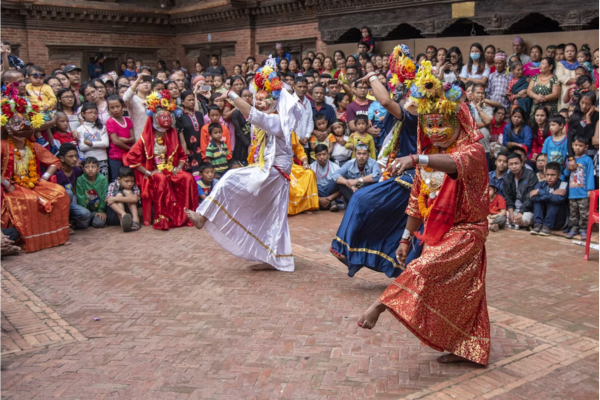
Indra Jatra in Kathmandu happens in early September and is one of the most photogenic festivals in South Asia. The streets come alive with traditional music, masked dances, and the famous chariot procession of Kumari, the living goddess. Then Dashain and Tihar arrive in October, and it feels like the whole country is in celebration mode. If you love the festive atmosphere of Eid or Puja back home, you will feel absolutely at home in Nepal during this season.
Best for Nature and Trekking: March and April
Spring is when Nepal's trekking trails are at their most beautiful. The rhododendrons are in full bloom, the skies are clear, and the temperatures are ideal for long walks at altitude. If the Everest Base Camp or Annapurna Circuit trek has been on your bucket list, March to April is your window.
Nepal's Festival Calendar: Key Dates to Know
|
Festival |
Month |
Why It's Worth Catching |
|
Holi |
March |
Joyful, colourful, and wildly popular with young travellers |
|
Buddha Jayanti |
May |
Meaningful for pilgrims, especially in Lumbini |
|
Indra Jatra |
September |
Ancient chariot procession in Kathmandu, unique and photogenic |
|
Dashain |
September to October |
Nepal's biggest festival, celebratory atmosphere everywhere |
|
Tihar |
October to November |
Festival of Lights, similar feel to Diwali |
Pro tip: If your travel dates overlap with Dashain or Tihar, book accommodation at least two to three months in advance. Hotels in Thamel sell out very quickly during these weeks.
Travel Costs from Bangladesh: An Honest Breakdown
Let's talk about money, because that's what most of us actually want to know.
Flights from Dhaka to Kathmandu
The flight takes roughly one and a half to two hours, making Nepal one of the closest international destinations from Bangladesh. On ShareTrip, you can currently find:
|
Airlines |
Starting Ticket Price |
|
Biman Bangladesh Airlines |
৳26,134 |
|
SriLankan Airlines |
৳45,720 |
|
Thai Airways International |
৳46,837 |
|
Btik Air |
৳58,392 |
|
flydubai |
৳99,697 |
|
IndiGo |
৳35,761 |
|
Singapore Airlines |
৳139,595 |
Booking six to eight weeks ahead during peak season, or even earlier for October travel, can save you a meaningful amount.
Note: Ticket prices are subject to change depending on some driving factors such as major festivals, ticket availability, seasons, and so on. Always visit ShareTrip to stay updated about the current price.
Visa and Entry
Bangladeshi passport holders can get a visa on arrival at Tribhuvan International Airport. Current fees are approximately USD 30 for 15 days and USD 50 for 30 days. Bring passport-sized photos and USD cash for the fee. The process is quick, typically under 30 minutes. We have a separate discussion on visa-free and visa-on-arrival countries for Bangladeshis, which confirms Nepal is one of the most straightforward destinations for Bangladeshi passport holders.
Accommodation
-
Budget guesthouses in Thamel: BDT 1,500 to 3,000 per night
-
Mid-range hotels in Pokhara: BDT 4,000 to 8,000 per night
-
Comfortable three-star hotels in Kathmandu: BDT 7,000 to 15,000 per night
Prices can rise by 20 to 30% during peak season (October to November and March to April), so factor that into your planning.
Food
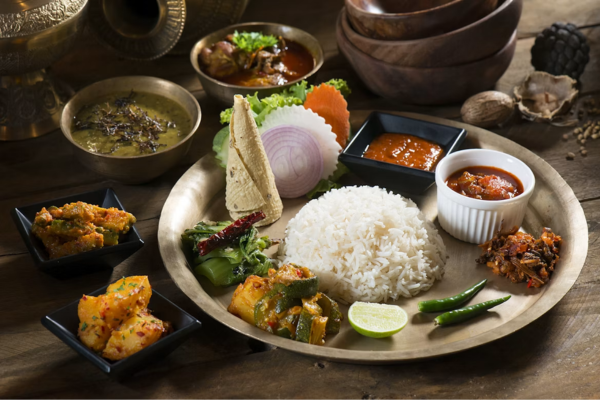
Nepal is remarkably affordable for food. A filling plate of dal bhat (the national dish of lentil soup, rice, and vegetables) costs around BDT 150 to 400 at most local restaurants. Momos are everywhere and cost next to nothing. Budget roughly BDT 800 to 1,500 per day for meals, and you'll eat very well.
Sample Budget for a 5-Night Trip
|
Trip Type |
Estimated Total Cost Per Person |
|
Budget (hostels, local food) |
BDT 25,000 to 40,000 |
|
Mid-range |
BDT 50,000 to 80,000 |
|
Comfortable |
BDT 90,000 to 1,20,000 |
These figures include flights, accommodation, food, local transport, and entry fees. You can also browse holiday packages on ShareTrip for ready-made itineraries, or get in touch with the team directly at ask@sharetrip.net or by calling 13701.
Practical Tips for Bangladeshi Travellers
Before you pack your bags, keep these in mind:
-
Currency: Convert your Taka to Nepali Rupees (NPR) in Kathmandu. Money changers in Thamel generally offer better rates than the airport counters.
-
SIM card: Pick up a local SIM (Ncell or Nepal Telecom) at the airport. Data is cheap and coverage is reliable in cities and popular tourist areas.
-
What to pack: Spring and autumn call for light layers plus a warm jacket for evenings. For winter travel, bring proper thermals, a fleece, and a windproof outer layer.
-
Respect at religious sites: Remove shoes before entering temples, dress modestly, and avoid touching idols or altars. Nepal is deeply religious and locals genuinely appreciate respectful visitors.
-
Bengali connections: You will find a surprising number of Bengali-speaking locals in Kathmandu, particularly in and around Thamel. It makes getting around far more comfortable.
-
Water: Do not drink tap water. Stick to bottled or filtered water. Stomach issues are the most common complaint from travellers to Nepal, so this really is non-negotiable.
For a full breakdown of where to go once you land, have a look at our guide to the 40 best places to visit in Nepal.
At a Glance: Season Recommendation Table
|
Travel Goal |
Best Months |
Budget Level |
|
Trekking |
October, November, March, April |
Medium to High |
|
Festivals |
September, October |
Medium |
|
Budget Travel |
January, February, June |
Low |
|
Photography |
October, November |
Medium |
|
Family Sightseeing |
February, March, October |
Medium |
Frequently Asked Questions
Q1: Do Bangladeshi citizens need a visa before arriving in Nepal?
No advance visa is required. Bangladeshi passport holders can obtain a visa on arrival at Tribhuvan International Airport in Kathmandu. Bring your passport, two passport-sized photos, and USD cash for the fee (USD 30 for 15 days, USD 50 for 30 days). The process is quick and genuinely stress-free.
Q2: How long is the flight from Dhaka to Kathmandu?
Roughly one and a half to two hours, depending on the airline. You can compare all available options and book easily on our Dhaka to Kathmandu flight page.
Q3: Is Nepal safe for solo Bangladeshi travellers?
Yes, Nepal is widely considered one of the safer destinations in South Asia. The Thamel neighbourhood in Kathmandu is well-organised for tourists and easy to navigate. Solo female travellers should stick to well-lit, busy areas in the evenings and always keep someone informed of their plans.
Q4: Can I use Bangladeshi Taka in Nepal?
No, Taka is not accepted in Nepal. You will need Nepali Rupees. Exchange money at the airport or at money changers in Thamel, where rates are generally reasonable. Indian Rupees are also widely accepted across Nepal, which can be handy if you happen to have some.
Q5: What is the best time for first-time visitors from Bangladesh?
October and November, without question. The weather is ideal, the skies are clear, mountain views are at their absolute best, and the festive season makes the entire experience feel especially alive.
Q6: Is Nepal expensive for Bangladeshi travellers?
Not at all. Nepal is one of the most affordable international destinations accessible from Bangladesh. Compared to Thailand or Malaysia, your money goes considerably further here, particularly for food and local transport.
Q7: Can I drink tap water in Nepal?
No. Always opt for bottled or filtered water. Along popular trekking routes, you will find filtered water refill stations that are both affordable and environmentally friendly, a much better option than buying plastic bottles every few hours.
Q8: Are there buses from Bangladesh to Nepal?
Technically yes, via overland routes through India (the Benapole or Burimari border crossings). However, this journey takes two to three days and requires an Indian transit visa. For the vast majority of travellers, flying is the far better option given the time saved and the relatively low cost of flights.
Q9: Will there be a language barrier?
Not significantly. English is widely spoken in Kathmandu, Pokhara, and along all major trekking routes. If you understand Hindi, you will manage even more comfortably. Many locals in Thamel also have at least a working knowledge of Bengali, which is a pleasant surprise for first-time visitors.
Q10: Is Nepal suitable for families with young children or elderly parents?
Absolutely. Kathmandu Valley and Pokhara are both ideal for family trips with minimal physical demands. The best months for family travel are February to March or October. It is advisable to avoid high-altitude trekking with very young children or elderly travellers who have existing health concerns.
So, When Should YOU Go?
Here's the final verdict: if you're a first-timer, aim for October. Or if you are on a tight budget, January works brilliantly. And if you want to trek with spring blooms, you should book for March or April. If festivals are your priority, time it for Dashain in October and you simply will not be disappointed.
Nepal is one of those rare places that genuinely lives up to the hype, but only when you plan it properly. So, plan your tour first, buy tickets considering your plan, and pack up your luggage to head to Nepal.


